The transport and logistics industry plays a crucial part in the economy of Southern Africa.
The transport and logistics industry is a crucial part of the economy in Southern Africa, connecting businesses and communities across the region. This industry encompasses various modes of transportation, including road, rail, air, and sea, as well as the movement of goods, materials, and people. In this article, we will explore the transport and logistics industry in Southern Africa, its challenges, opportunities, and the way forward.
Overview of the Industry
The Southern African region is home to a vast network of transportation infrastructure, including ports, airports, roads, and railways. The transport and logistics industry is a significant contributor to the regional economy, accounting for a substantial portion of employment and economic activity. The sector is also critical for facilitating trade within the region and with the rest of the world.
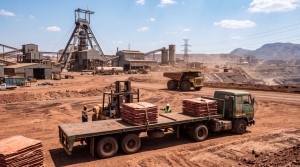
Road transport is the dominant mode of transportation in the region, accounting for over 80% of the freight moved within the region. Rail transport is also an essential mode of transportation, particularly for long-distance freight movements. The region has a well-developed railway network, connecting major cities and industrial centers.
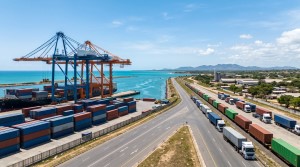
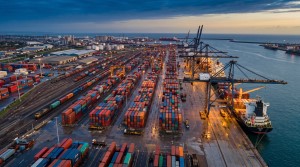
The port of Durban in South Africa is the busiest port in the region, handling more than 80% of the region's sea freight. Other significant ports in the region include the Port of Maputo in Mozambique, the Port of Walvis Bay in Namibia, and the Port of Dar es Salaam in Tanzania.
The aviation sector in the region is also growing, with several airlines operating within the region, such as South African Airways, Ethiopian Airlines, and Kenya Airways. Major airports in the region include OR Tambo International Airport in Johannesburg, Cape Town International Airport, and King Shaka International Airport in Durban.
Challenges Facing the Industry
Despite the importance of the transport and logistics industry in the region, it faces several challenges that impede its growth and development. One of the significant challenges is inadequate infrastructure and poor maintenance of existing infrastructure. This issue has led to high transportation costs, lengthy travel times, and frequent breakdowns.
Another challenge is the lack of harmonization and coordination among countries in the region. This lack of cooperation has resulted in lengthy customs procedures, delays at border crossings, and high transit costs, making cross-border trade expensive and time-consuming.
Opportunities for Growth
The transport and logistics industry in Southern Africa presents several opportunities for growth and development. One significant opportunity is the expansion of infrastructure, particularly in the areas of road and rail transport. Improved infrastructure will reduce transportation costs, shorten travel times, and improve the efficiency of the supply chain.
Another opportunity is the adoption of new technologies and innovative solutions to improve the performance of the industry. Technologies such as blockchain, internet of things (IoT), and artificial intelligence (AI) can be used to streamline processes, reduce costs, and improve the quality of services.
The Way Forward
To unlock the full potential of the transport and logistics industry in Southern Africa, stakeholders in the industry must work together to address the challenges and seize the opportunities. Governments in the region must prioritize investment in infrastructure and ensure that existing infrastructure is adequately maintained. There should also be a concerted effort to harmonize customs procedures and simplify cross-border trade.
Innovation and the adoption of new technologies should be encouraged, with stakeholders investing in research and development to find solutions to the industry's challenges. The private sector should also play an active role in driving growth and development, with businesses investing in new technologies and infrastructure to improve their operations.
Conclusion
The transport and logistics industry in Southern Africa is a critical sector that drives economic growth and development in the region. While the industry faces several challenges, there are also significant opportunities for growth and development. Addressing the challenges and seizing the opportunities requires cooperation and collaboration among stakeholders in the industry, including governments, businesses, and civil society. With the right investments, policies.


 Written by Andre Klynsmith