Industry related headlines to keep you in the know.
Transport unions representing 16.6 million workers have adopted a set of global principles demanding that workers be consulted before artificial intelligence systems are introduced into freight and passenger transport operations. The International Transport Workers' Federation adopted the principles at its Transport Workers' Conference on Artificial Intelligence in Sri Lanka this week.
TECHNOLOGY AND TRENDS
19 September 2026 • 5 min read
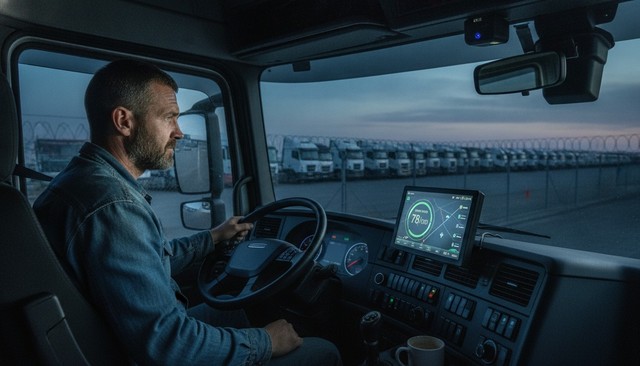
The systems named in the principles are the ones SADC operators already run — telematics driver scoring, route optimisation, terminal slot booking, remote gates. The contested question is narrower and sharper: can an algorithmic score be used to discipline a driver?
The ITF represents more than 760 unions and 16.6 million workers across 150 countries. Its South African affiliates include the South African Transport and Allied Workers Union and the National Union of Metalworkers of South Africa — which places this squarely inside the South African bargaining environment rather than at a distance from it.
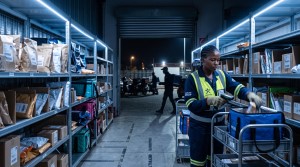
The scope is deliberately broad: fleet and warehouse management, driver monitoring, cargo handling, route planning, scheduling, signalling systems, remote port gates and autonomous vehicles. The core demands are that workers and unions be informed about AI systems, the data they use and the decisions they influence; that unions be consulted before deployment; and that workers retain the right to challenge AI-driven decisions.
Already in use: The ITF says AI is currently being used to allocate work, monitor drivers and influence decisions on hiring, pay and discipline — and is calling for human oversight of safety-critical and employment decisions, independent occupational health and safety assessments before deployment, and greater transparency over the collection and use of workers' data. (Source: International Transport Workers' Federation, 2026)
Incoming ITF president Frank Moreels said workers should have the right to assess the impact of systems, negotiate before their introduction and retain human authority in safety-critical operations. "The tech giants selling AI into transport will tell you everything their systems can do – and nothing about what happens when they fail," he said.
"Workers are the first to see when a system gets it wrong: when a sensor misreads a driver, when a roster pushes crews past safe limits or when an algorithm discriminates." The federation acknowledges that the technology can improve productivity, efficiency and safety — its position is that failures threaten working conditions and safety, not that the tools should be refused.
ITF Future of Work Advisory Group chairperson Horacio Calculli framed the issue as one of control rather than adoption: the question is no longer whether AI will be used in transport, but who will control it and who will benefit. "These principles give transport unions, responsible employers and governments a common platform to assess, deploy and govern AI in transport," he said. The principles are grounded in international labour standards, including International Labour Organization Convention 193 on Decent Work in the Platform Economy.
The principles also state that employers should negotiate transition plans where AI could materially affect employment, covering job security, training and redeployment of existing workers. The ITF says it will develop bargaining, information-request and impact-assessment tools for affiliated unions and build a cross-border picture of how AI is being deployed by multinational transport companies and across supply chains. None of this is binding on any operator. It is, however, the shape of the conversation the next wage round is likely to take.
If your telematics platform produces driver scores that feed into pay, bonuses or disciplinary processes, write down how that works and who reviews it before a union asks. South African operators already owe much of this transparency under PoPIA, so the compliance groundwork exists — what is usually missing is a documented human-review step between an automated score and a decision about a person. Putting that step in place is cheaper to do now than to concede later.
Stay connected with Southern Africa's freight and transport community.
Join 6,400+ logistics professionals across the SADC region.
Visit Laaimylorrie.com| About the Author | |

|
Andre Klynsmith Entrepreneur & Technology Enthusiast Andre's expertise spans technology, blockchain, transport, and logistics — with a passion for innovation and driving positive change across industries. |
| Source: Freight News View source › | 18 September 2026 |


Subscribe to our Newsletter and stay in the know with all the latest Industry News, Products and Trends covering the whole of the SADC region.
KS Blockchain T/A Laaimylorrie.com . All Rights Reserved.