Industry related headlines to keep you in the know.
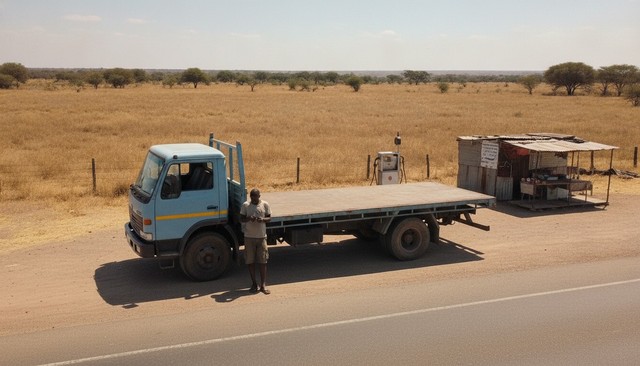
Southern African small, medium and micro enterprises can be 15 to 25% more expensive than larger businesses, with low shipment volumes and limited bargaining power driving much of the gap.
Supply Chain Management
18 September 2026 • 4 min read
A quarter of a small operator’s cost disadvantage has nothing to do with how well it is run. It is baked in before the quote is written — and one of the largest single causes is a truck driving home empty because nobody told it what was going the other way.
The figure emerged from a Creamer Media webinar on 15 September examining the structural barriers keeping SMMEs out of supply chains. South African Supplier Diversity Council Special Projects Manager Ashok Deokiram said small businesses rarely carry the freight volumes needed to negotiate preferential transport rates. “SMMEs rarely have the kind of volumes that they can depend on to negotiate better rates,” he said. “They end up paying the normal retail price for whatever it is that they acquire and then offer, leading them to become uncompetitive.”
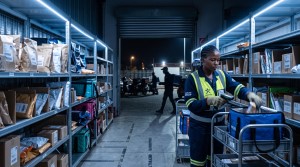
The disadvantage does not stop at the transport rate. It extends into inventory and warehousing, where small businesses carry the full cost of infrastructure without the economies of scale larger companies enjoy. Without shared facilities, storage and distribution cost them more per unit moved. The playing field, as Deokiram put it, is not level from a competitive point of view.
The structural gap: Southern African SMMEs can be 15–25% more expensive than larger businesses — a penalty driven by shipment volume and bargaining power rather than operational performance. (Source: South African Supplier Diversity Council, Creamer Media webinar, 2026)
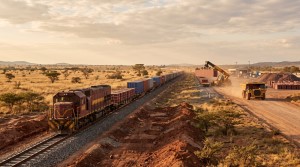
Deokiram singled out poor visibility of freight demand as a particular pressure on small transport operators, who often receive transport opportunities at short notice. That leaves little time to plan loads or secure return cargo — and the result is a truck that completes a delivery and drives back empty simply because the operator did not know there was freight moving the other way.
“If that information can be made available, SMMEs could plan better and negotiate better rates because they have an opportunity to pick up a load and not come back to a place of operation empty,” he said. That is worth sitting with. The cost of an empty return leg is close to the cost of a loaded one — the fuel, the driver, the tyres and the depreciation are all spent. A one-way trip that should have been a round trip effectively doubles the cost per revenue kilometre, and it does so on exactly the operators least able to absorb it.
Speakers at the webinar identified shared transport, warehousing and cold chain facilities as ways to improve capacity utilisation and reduce SMME costs. That is a meaningfully different prescription from the usual one. It does not ask small operators to grow before they can compete; it asks them to pool the fixed costs that scale would otherwise have absorbed — a yard, a cold room, a return load — while staying independent businesses.
For the SADC region specifically, the information problem is compounded by distance. A small transporter running Windhoek to Johannesburg, or Lusaka to Durban, is making a commitment measured in days and thousands of kilometres. Getting that trip wrong in one direction is not a trimmed margin — on thin capital, it is the difference between a profitable month and a lost one.
Measure your own empty-kilometre percentage for one month — most small operators have never put a number on it, and the number is usually worse than the guess. Then work the fixable half: list your available trucks and return legs where shippers actually look, before you depart rather than after you arrive. On the storage side, ask whether shared or third-party warehousing beats carrying your own fixed footprint at your current volumes. The volume-driven part of the 15–25% gap is structural. The information-driven part is not.
Stay connected with Southern Africa's freight and transport community.
Join 6,400+ logistics professionals across the SADC region.
Visit Laaimylorrie.com| About the Author | |

|
Andre Klynsmith Entrepreneur & Technology Enthusiast Andre's expertise spans technology, blockchain, transport, and logistics — with a passion for innovation and driving positive change across industries. |
| Source: Freight News View source › | 17 September 2026 |


Subscribe to our Newsletter and stay in the know with all the latest Industry News, Products and Trends covering the whole of the SADC region.
KS Blockchain T/A Laaimylorrie.com . All Rights Reserved.