Industry related headlines to keep you in the know.
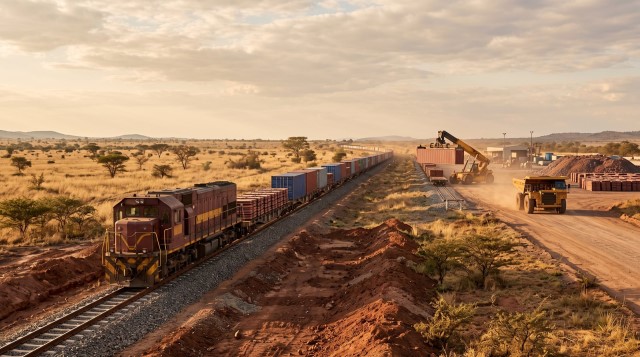
Zambia is preparing to start construction on its section of the Lobito Corridor in the third quarter of 2026, an 800-kilometre greenfield rail line that would give Copperbelt miners a direct Atlantic route to global markets -- even as first-quarter output figures across the region turned softer.
Mining and Commodities
8 August 2026 • 4 min read
The Zambian extension could eventually double the corridor's copper-carrying capacity. But with financial close targeted for early 2027 and first operations not expected before 2027-2028, road freight will carry the load for years yet.
The Lobito Corridor -- a roughly US$5 billion rail programme linking the copper-rich DRC and Zambia to Angola's Atlantic port of Lobito -- moved from concept to cargo in early 2026, when the first shipments confirmed the rehabilitated Angolan line was commercially viable. The next phase is the Zambian greenfield section, planned to run some 800 kilometres to Chingola in the heart of the Copperbelt.
Zambia aims to begin building in the third quarter of 2026, with financial close pencilled in for early 2027 and first operations between 2027 and 2028. For a region whose exports have historically travelled thousands of kilometres east and south to Indian Ocean ports, an Atlantic outlet on the doorstep of the Copperbelt would fundamentally reshape freight geography.
Corridor scale: The planned 800km Zambian extension to Chingola could roughly double the Lobito Corridor's copper throughput capacity once operational. (Source: Reuters / Rio Times, 2026)
The infrastructure optimism sits alongside a more cautious production story. In the first quarter of 2026, Zambian copper output slipped about 4.3%, while the DRC's copper exports fell close to 15% over the same period. A disruption to cross-border sulphuric acid supply -- a critical input for leaching Copperbelt ores -- added further strain to processing volumes.
For freight operators, softer output and firmer long-term ambition pull in different directions. Volumes available to move today are under pressure, yet the corridors being built are sized for a decade of growth. Zambia has publicly restated its target of one million tonnes of copper, and the logistics network -- road, rail and acid backhaul -- will decide whether that target is reachable.
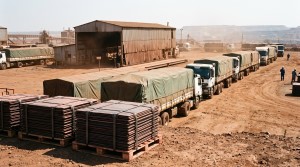
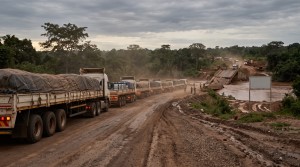
Rail timelines measured in years mean trucks remain the backbone of Copperbelt exports for now. Cathodes and concentrates will keep moving south through Kasumbalesa and the North-South Corridor to Durban, west toward Walvis Bay, and increasingly toward Lobito as the Angolan line ramps up. That multi-corridor reality is an opportunity: operators who can price and switch between routes hold real leverage when any single border clogs.
There is also execution risk to respect. Greenfield rail depends on funding, security along the route and the pace of works -- none guaranteed. The prudent read is to plan for a gradual shift in flows rather than a sudden switch.
Keep every Copperbelt corridor live and comparable -- east, south and west. Track the Zambian section's financial close and construction milestones as leading indicators of where volumes will migrate, watch acid-backhaul availability as a real constraint on export tonnage, and hold pricing flexibility so you can reroute the moment a border or a rail phase shifts the economics.
Stay connected with Southern Africa's freight and transport community.
Join 6,400+ logistics professionals across the SADC region.
Visit Laaimylorrie.com| About the Author | |

|
Andre Klynsmith Entrepreneur & Technology Enthusiast Andre's expertise spans technology, blockchain, transport, and logistics -- with a passion for innovation and driving positive change across industries. |
| Source: Reuters / Rio Times / Discovery Alert View source › | 8 August 2026 |


Subscribe to our Newsletter and stay in the know with all the latest Industry News, Products and Trends covering the whole of the SADC region.
KS Blockchain T/A Laaimylorrie.com . All Rights Reserved.