Industry related headlines to keep you in the know.
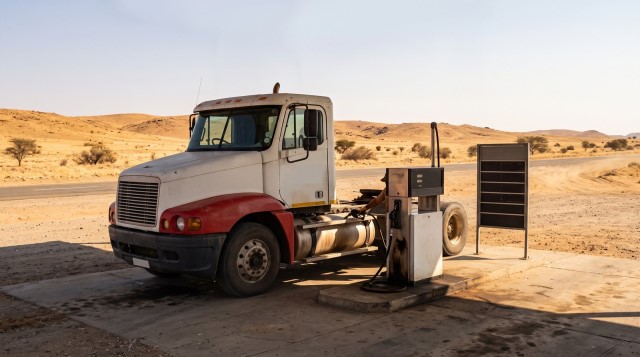
Fuel prices in Namibia rise by N$2.00 per litre from 5 August 2026 after the government reinstated levies that had been temporarily halved, pushing diesel at Walvis Bay to N$26.26 per litre and adding fresh cost pressure for transport operators across the region.
Economy and Markets
3 August 2026 • 4 min read
Diesel is the single largest controllable cost in most freight operations. When Namibia's pump price moves by N$2.00 a litre overnight, the margin on every cross-border load moves with it -- and operators who fail to reprice quickly absorb the difference themselves.
The increase is driven primarily by the reinstatement of four levies that had been cut by 50% over the previous three months to shield consumers from sharp swings in international oil prices. With that temporary relief now unwinding, the levies return to the pump -- and they land at the same time as firmer global fuel costs.
During the pricing period from 1 to 27 July, the average international petrol price rose 2.87% to around US$115 a barrel, while diesel climbed roughly 11% to about US$141 a barrel. The Namibia dollar also weakened slightly against the US dollar, from an average of N$16.38 to N$16.42, raising the local cost of every imported litre.
New Walvis Bay pump prices: Petrol 95 at N$24.48 per litre and diesel at N$26.26 per litre, effective 5 August 2026. (Source: The Brief, 2026)
To limit the pass-through to consumers, the National Energy Fund (NEF) will absorb diesel under-recoveries and part of the remaining levy. That cushioning matters, but it is not limitless -- each intervention draws down the fiscal room available to soften the next increase.
For operators, the lesson is that state buffers delay cost increases rather than cancel them. The half-levy relief that held prices down for three months has now expired, and the underlying trend -- firmer oil, a softer local currency -- points upward. Planning on the assumption that fuel will keep rising is the prudent default.
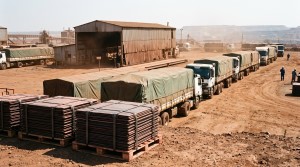
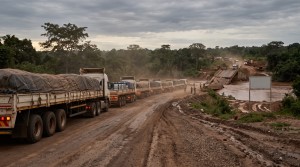
Namibia is a critical gateway for landlocked SADC cargo moving through Walvis Bay to Zambia, Botswana, Zimbabwe and the DRC. Higher diesel there raises the landed cost of goods along the Trans-Kalahari and Trans-Caprivi corridors and feeds directly into freight rates. Because international oil prices and exchange rates move the whole region together, operators in neighbouring markets should read the Namibian adjustment as a preview of pressures they are likely to face too.
The operators who protect their margins are the ones with a fuel-surcharge mechanism already built into their contracts -- a transparent formula that adjusts rates as pump prices move, rather than a scramble to renegotiate after the fact.
Recalculate your cost-per-kilometre against the new diesel price immediately and make sure a fuel-surcharge clause is in every contract. Treat government levy relief as a temporary reprieve, not a floor -- with oil firm and the currency soft, budget for further increases rather than a reversal.
Stay connected with Southern Africa's freight and transport community.
Join 6,400+ logistics professionals across the SADC region.
Visit Laaimylorrie.com| About the Author | |

|
Andre Klynsmith Entrepreneur & Technology Enthusiast Andre's expertise spans technology, blockchain, transport, and logistics -- with a passion for innovation and driving positive change across industries. |
| Source: The Brief -- Fuel prices to rise by N$2.00 a litre as government restores levies View source › | July 2026 |


Subscribe to our Newsletter and stay in the know with all the latest Industry News, Products and Trends covering the whole of the SADC region.
KS Blockchain T/A Laaimylorrie.com . All Rights Reserved.