Industry related headlines to keep you in the know.
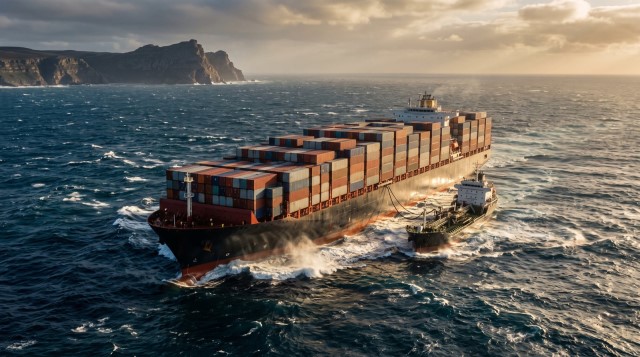
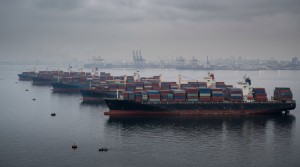
More ships are rounding the southern tip of Africa than at any point in modern shipping history — yet South Africa is capturing only a fraction of the fuel-and-services windfall, watching much of it flow to Mauritius and Walvis Bay instead.
Shipping and Logistics
11 July 2026 • 4 min read
Cape route diversions rose 112% by early March 2026, and carriers now treat the longer voyage as a lasting change rather than a temporary detour. Every extra sea mile burns more fuel and needs more servicing — but South Africa's bunker volumes have fallen, not risen, since the diversions began.
Since Houthi attacks made the Red Sea and the Bab el-Mandeb Strait unsafe in late 2023, and with renewed instability across the Middle East through 2026, a steady stream of vessels has abandoned the Suez Canal in favour of the route around the Cape of Good Hope. The Cape Chamber of Commerce and Industry reported that diversions were up 112% by early March, and shipping lines are increasingly planning their networks on the assumption that the detour is permanent.
For Southern Africa, this is more than a traffic statistic. A vessel routing from Asia to Europe around the Cape adds roughly 10 to 14 days and thousands of extra nautical miles. Each of those miles burns fuel, wears equipment and consumes stores — demand that lands on whichever coastline can service it fastest and most reliably. The question for the region is not whether the traffic exists, but who is positioned to sell to it.
The number that stings: South African bunker sales fell to roughly 80,000 tonnes a month in 2024, down from about 130,000 tonnes a month in 2023 — a slide that coincided with a surge in vessels passing the coast. (Source: Engineering News / Bloomberg, 2026)
South Africa was once one of the continent's largest bunkering hubs, with Algoa Bay a natural refuelling point for ships tracking past the Eastern Cape. That position weakened sharply after a tax and customs crackdown on ship-to-ship bunkering operations in Algoa Bay in late 2023, which pulled operators and floating storage out of the anchorage. As South African volumes shrank, Port Louis in Mauritius and Walvis Bay in Namibia absorbed the displaced demand.
The lesson is uncomfortable but clear: geography alone does not win this business. Ships refuel where regulation is predictable, clearance is quick and service is dependable. A vessel on a tight schedule will not wait days for a permit dispute to resolve when a neighbouring hub can turn it around in hours. The maritime-services economy — bunkering, ship repair, chandlery, crew logistics, maintenance and security — rewards reliability above all else.
Not every opportunity created by the Cape boom is offshore. Every ship that calls for fuel, spares or repairs generates landside work: spare-part haulage from suppliers to the quay, provisioning runs, crew transfers to and from airports, and the movement of maintenance crews and equipment. Ship-repair yards, chandlers and maritime-security providers all lean on road transport to function, and that demand clusters around the ports best placed to grow — Walvis Bay chief among them for the western SADC corridor.
For inland operators, the signal is to watch which ports capture the servicing traffic and to build relationships with the chandlers, agents and yards that will need reliable, time-sensitive cartage. The vessels are already sailing past. The revenue that stays in the region will belong to the operators — at sea and on land — who make themselves the easy, dependable option.
Sustained Cape routing is a durable demand signal, not a passing spike. Operators near Walvis Bay and Algoa Bay should position for maritime-services haulage — spares, provisioning, crew and repair-crew movements — and treat the ports that fix their regulatory and turnaround reliability as the ones most likely to grow the work.
Stay connected with Southern Africa's freight and transport community.
Join 6,400+ logistics professionals across the SADC region.
Visit Laaimylorrie.com| About the Author | |

|
Andre Klynsmith Entrepreneur & Technology Enthusiast Andre's expertise spans technology, blockchain, transport, and logistics — with a passion for innovation and driving positive change across industries. |
| Source: Engineering News / Bloomberg View source › | 11 July 2026 |


Subscribe to our Newsletter and stay in the know with all the latest Industry News, Products and Trends covering the whole of the SADC region.
KS Blockchain T/A Laaimylorrie.com . All Rights Reserved.