Industry related headlines to keep you in the know.
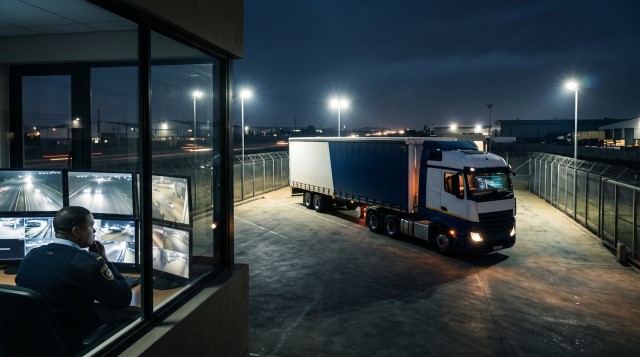
Cargo crime is now one of the largest unbudgeted costs in Southern African road freight. TAPA EMEA recorded R577 million in cargo losses in South Africa over an 18-month period — based on just the 3.4% of reported crimes that declared a value — with major incidents averaging R18.3 million each. For transport businesses, the question is no longer whether to invest in security, but how much and where.
Business Insights
7 July 2026 • 4 min read
The direct loss is only the first invoice. Behind every hijacked load sits a rising insurance premium, a contractual penalty, a delayed customer — and a driver who may not want to do the route again. Understanding the full cost stack is the first step to managing it.
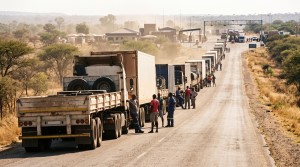
SAPS statistics show truck hijackings have roughly doubled over the past decade, with around 420 truck hijackings recorded in a single quarter at the recent peak. The Road Freight Association cautions that official figures understate the problem, estimating that roughly 23% of hijackings go unreported — often because operators fear premium hikes or reputational damage.
Geography matters. Gauteng accounts for over 60% of incidents — its road density and cargo value make it the natural hunting ground — while Mpumalanga has emerged as a fast-growing hotspot on the coal and cross-border corridors.
The visible tip: R577 million in recorded cargo losses over 18 months — from only 3.4% of incidents that declared a value. Average loss per major incident: R18.3 million. (Source: TAPA EMEA / Aon, 2026)
The cargo value is only the headline number. Add higher insurance premiums and excesses after a claim, vehicle damage or total loss, contractual penalties for undelivered freight, customer churn when service failures repeat, management time consumed by investigations, and rising driver turnover on high-risk routes. For smaller operators, one major uninsured or under-insured incident can be a business-ending event.
The human cost compounds it: hijackings frequently involve violence or the threat of it, and operators who ignore driver safety pay for it twice — in staff attrition and in liability.
The operators managing this best treat cargo crime as a system, not a series of bad-luck events. The core playbook: route-level risk assessment before quoting (some lanes justify a security premium or a polite decline); layered telematics with panic functionality, geofencing and remote immobilisation; strict stop discipline — pre-planned secure parking, no unscheduled stops in hotspot zones; load-specific measures for high-value cargo such as escorts, decoy scheduling or seal protocols; and honest insurance reviews so cover matches today's cargo values, not last year's.
Just as important is information sharing. Syndicates exploit the gaps between operators; industry bodies and corridor watch groups exist precisely to close them. Reporting every incident — even near-misses — improves the data everyone prices risk on.
Price security into your rates the way you price fuel — explicitly and per route. A documented security programme is fast becoming a tender requirement from major shippers, and it strengthens your hand with insurers. If you operate through Gauteng or Mpumalanga, review your route risk profile this quarter, not after the next incident.
Stay connected with Southern Africa's freight and transport community.
Join 6,400+ logistics professionals across the SADC region.
Visit Laaimylorrie.com| About the Author | |

|
Andre Klynsmith Entrepreneur & Technology Enthusiast Andre's expertise spans technology, blockchain, transport, and logistics -- with a passion for innovation and driving positive change across industries. |
| Source: Aon / Engineering News View source › | 20 February 2026 |


Subscribe to our Newsletter and stay in the know with all the latest Industry News, Products and Trends covering the whole of the SADC region.
KS Blockchain T/A Laaimylorrie.com . All Rights Reserved.