Industry related headlines to keep you in the know.
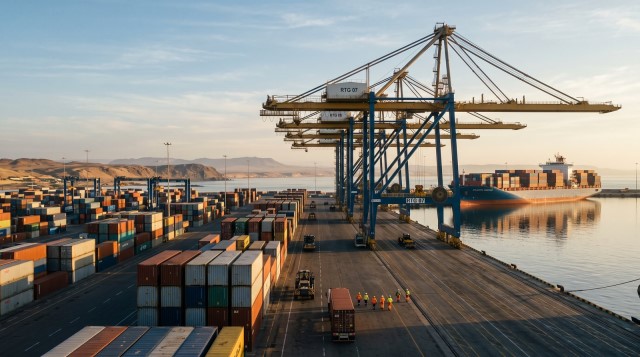
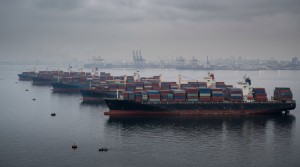
Terminal Investment Namibia (TIN) has taken delivery of an initial batch of six rubber-tyred gantry (RTG) cranes at the Port of Walvis Bay, the first visible hardware from a N$2.1 billion modernisation programme aimed at positioning Namibia's flagship port as a serious alternative gateway for SADC trade.
Ports and Terminals
7 July 2026 • 3 min read
Financing deals make headlines, but cranes on the quay move containers. With six new RTGs landed and more equipment to follow, Walvis Bay's upgrade has shifted from paperwork to steel — and landlocked SADC shippers weighing alternatives to congested routes should be paying attention.
TIN secured a 25-year concession to operate the Walvis Bay container terminal in 2024. In late 2024 the company signed a financing agreement with Standard Bank Namibia and RMB Namibia to raise N$2.1 billion (about US$126.5 million) for terminal modernisation and operational efficiency. The six RTG cranes now standing at the port are the first major equipment delivery under that programme.
According to the operator, the cranes are expected to lift terminal productivity, increase throughput capacity and support higher cargo volumes. RTGs matter because they determine how fast a container yard turns: more machines in the stack means faster truck turnarounds at the gate and quicker vessel operations at the berth.
Investment programme: N$2.1 billion (US$126.5 million) raised via Standard Bank Namibia and RMB Namibia to modernise a terminal with 750,000 TEU annual container capacity. (Source: Ecofin Agency, 2026)
For Namport, the national port authority, the upgrade is part of a deliberate strategy to position Namibia as a credible regional alternative to South African ports. A significant share of the foreign trade of landlocked SADC economies — Zambia, Botswana and Zimbabwe among them — is still routed through South African gateways, particularly Durban, where recurring delays have pushed shippers to look at alternatives such as Maputo and Nacala in Mozambique.
Walvis Bay's pitch is different: a deep-water Atlantic port with uncongested corridors running east into Botswana, Zambia and beyond. Every productivity gain in the container yard strengthens that argument — and shortens the business case for cargo owners comparing total corridor time and cost rather than sea freight rates alone.
The terminal upgrade does not stand alone. Windhoek is stepping up investment in overland transport infrastructure, including the proposed Trans-Kalahari railway linking Namibia with Botswana, with similar initiatives under discussion with Zambia. The logic is straightforward: a faster port only wins sustained volume if the corridors behind it can move cargo inland reliably.
For now, road transport carries the overwhelming majority of Walvis Bay corridor cargo — which means transporters serving the Trans-Kalahari and Trans-Caprivi routes are the immediate beneficiaries of any growth the modernised terminal attracts.
Faster yard operations at Walvis Bay mean shorter truck turnaround times and a stronger case for routing Zambian, Botswanan and Zimbabwean cargo through Namibia. Transporters positioned on the Trans-Kalahari and Trans-Caprivi corridors should track volume shifts closely — port equipment upgrades tend to show up in corridor demand within months, not years.
Stay connected with Southern Africa's freight and transport community.
Join 6,400+ logistics professionals across the SADC region.
Visit Laaimylorrie.com| About the Author | |

|
Andre Klynsmith Entrepreneur & Technology Enthusiast Andre's expertise spans technology, blockchain, transport, and logistics -- with a passion for innovation and driving positive change across industries. |
| Source: Ecofin Agency View source › | 26 April 2026 |


Subscribe to our Newsletter and stay in the know with all the latest Industry News, Products and Trends covering the whole of the SADC region.
KS Blockchain T/A Laaimylorrie.com . All Rights Reserved.