Industry related headlines to keep you in the know.
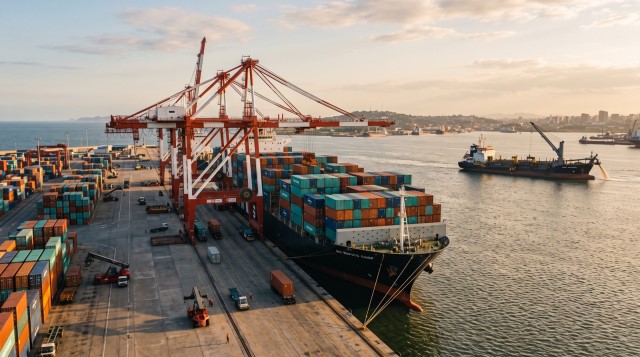
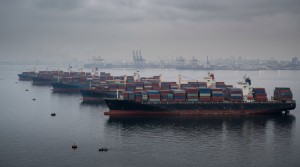
The Port of Maputo is more than doubling its container capacity, taking its container yard from 255,000 TEUs to 530,000 TEUs and deepening its draft from 12.5 metres to 16 metres as part of a roughly €426 million upgrade due for completion in the first quarter of 2027.
Ports and Terminals
1 July 2026 • 5 min read
A deeper draft and double the container yard would let Maputo berth vessels of up to 18,000 TEU and pull more of Southern Africa's cargo away from congested rivals. For SADC operators, a second credible east-coast container gateway is quietly taking shape 90 minutes from the Gauteng border.
The expansion, launched in 2024 and worth around €426 million, is adding roughly 6.5 hectares to the container yard, lifting nominal capacity from 255,000 TEUs to 530,000 TEUs. Just as important for the vessels that call, the harbour draft is being deepened from 12.5 metres to 16 metres, which the port says will allow it to handle ships of up to 18,000 TEU — a class of vessel that simply could not work the terminal before.
The container and coal terminal works are scheduled to complete in the first quarter of 2027. For a port that already closed 2025 at a record cargo throughput, the message to shippers is that Maputo is building capacity ahead of demand rather than scrambling to catch up after it.
Capacity jump: Maputo's container yard is expanding from 255,000 TEUs to 530,000 TEUs, with draft deepened from 12.5m to 16m to accommodate 18,000-TEU vessels. (Source: Maputo Port Development Company / Freshplaza, 2026)
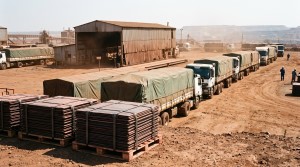
Maputo's pull comes from geography. The port sits at the coastal end of the N4 Maputo Corridor, linking directly to Gauteng — South Africa's industrial heartland — as well as to Eswatini and southern Mozambique. Recent border reforms at Lebombo–Ressano Garcia have cut truck turnaround times sharply, making the landed-cost comparison between Maputo and Durban tighter than it has been in years.
A bigger, deeper Maputo terminal changes that calculation again. Deeper water and larger vessels typically mean better shipping-line economics and more direct services, which reduces the need to tranship boxes through busier hubs. For exporters of bulk minerals, agricultural produce and containerised goods out of the northern provinces, a second high-capacity east-coast option is a genuine hedge against single-port dependence.
A first-quarter 2027 completion date means the full capacity is still 18 months out, and port expansions rarely land exactly on schedule. Landside readiness matters too: rail links, road condition on the N4, and border-post capacity all have to keep pace, or the extra quayside throughput simply moves the bottleneck inland.
The smart move is to treat this as a planning signal, not an overnight switch. Operators who model Maputo into their route options now — testing rates, service frequency and clearance times on real shipments — will be positioned to shift volume the moment the new capacity comes online.
Maputo is positioning itself as a real alternative to Durban for Gauteng-region cargo, not just an overflow valve. Re-run your landed-cost comparison using current Maputo Corridor border times, and start building relationships with lines calling the port so you can diversify routing before capacity fills up.
Stay connected with Southern Africa's freight and transport community.
Join 6,400+ logistics professionals across the SADC region.
Visit Laaimylorrie.com| About the Author | |

|
Andre Klynsmith Entrepreneur & Technology Enthusiast Andre's expertise spans technology, blockchain, transport, and logistics -- with a passion for innovation and driving positive change across industries. |
| Source: Freshplaza / Club of Mozambique View source › | 1 July 2026 |


Subscribe to our Newsletter and stay in the know with all the latest Industry News, Products and Trends covering the whole of the SADC region.
KS Blockchain T/A Laaimylorrie.com . All Rights Reserved.