Industry related headlines to keep you in the know.
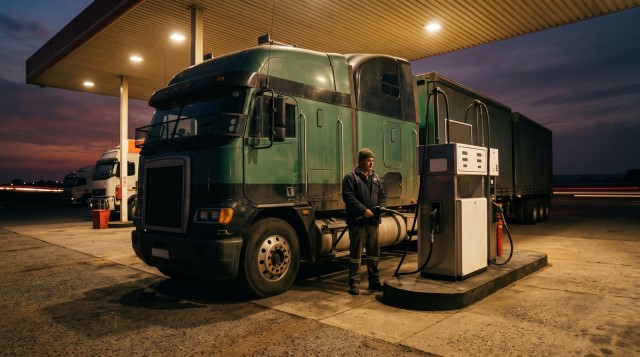
South African fuel users face a tax rise and a possible pump-price cut in the very same month. From 1 July 2026 the general fuel levy returns to its full baseline rate, yet a large mid-June over-recovery points to lower prices at the pump — a confusing signal that matters directly to every freight budget in the region.
Economy and Markets
22 June 2026 • 4 min read
The levy increase is permanent. The market relief that may offset it in July is temporary and volatile. For hauliers, telling the two apart is the difference between a real cost saving and a budgeting trap.
National Treasury has confirmed that the final portion of the temporary general fuel levy (GFL) relief expires on 1 July 2026. With it gone, the levy reverts to its baseline of R4.10 per litre on petrol and R3.93 per litre on diesel. In practice the withdrawal adds roughly R1.50 per litre to petrol and about R1.96 per litre to diesel compared with the reduced-relief period that ran through June.
That is a structural, tax-driven increase. It does not disappear next month or next quarter — it is now the new floor under the pump price, and it applies whether the oil price rises or falls.
The offset: Mid-June data showed a fuel-price over-recovery of roughly 277c/litre on 93 petrol and between 440c and 476c/litre on diesel — large enough to outweigh the levy rise. (Source: AutoTrader / FIASA, June 2026)
The pump price is set by the basic fuel price (driven by global oil and the rand/dollar exchange rate) plus levies and margins. Through June, a firmer rand and softer crude pushed the basic fuel price well below the prevailing pump price, building a sizeable over-recovery. If that over-recovery holds into the early-July review, it could more than cancel the levy increase — leaving diesel, in particular, cheaper next month despite the tax rise.
The crucial point is that one of these forces is durable and the other is not. The levy is locked in; the over-recovery can evaporate within weeks if the rand weakens or oil rebounds.
Diesel typically accounts for 40% or more of long-haul operating cost, so even a few rand per litre swings margins materially. Operators should budget on the new, higher levy baseline as the underlying cost and treat any July price drop as a windfall to be banked, not a trend to be priced into rates.
This is also the moment to revisit fuel surcharge clauses. A clause that tracks the published pump price will capture both the levy rise and any market relief automatically; a fixed-rate contract signed during a temporary dip can leave the haulier exposed the next time the rand turns.
Plan your Q3 fuel budget on the full levy baseline, not the June relief price. If July brings a net cut, treat it as breathing room rather than a new normal. Index your fuel surcharges to the published pump price so both the permanent tax and the volatile market component flow through to your rates automatically.
Stay connected with Southern Africa's freight and transport community.
Join 6,400+ logistics professionals across the SADC region.
Visit Laaimylorrie.com| About the Author | |

|
Andre Klynsmith Entrepreneur & Technology Enthusiast Andre's expertise spans technology, blockchain, transport, and logistics -- with a passion for innovation and driving positive change across industries. |
| Source: AutoTrader / National Treasury View source › | 22 June 2026 |


Subscribe to our Newsletter and stay in the know with all the latest Industry News, Products and Trends covering the whole of the SADC region.
KS Blockchain T/A Laaimylorrie.com . All Rights Reserved.