Industry related headlines to keep you in the know.
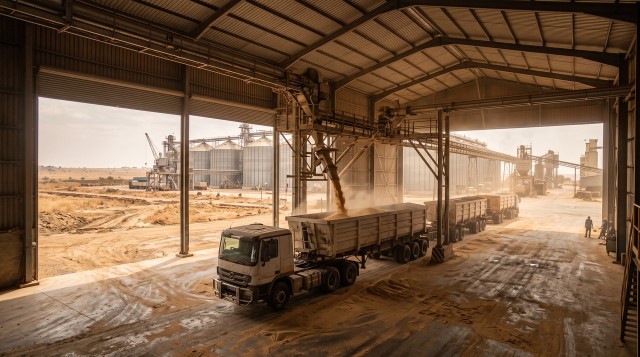
The World Meteorological Organisation is now putting the chance of a new El Niño developing during winter 2026 at around 60% — a probability high enough for SADC supply chain operators to start re-positioning maize, wheat and fertiliser logistics ahead of a likely second drought-driven import surge across Southern Africa.
Supply Chain Management
26 May 2026 • 5 min read
The 2024/25 drought left 87 million people food-insecure across the SADC region and pushed regional food import volumes to multi-year highs. With WMO's May 2026 outlook flagging an upward shift in equatorial Pacific sea-surface temperatures from May to July, the planning window for a second wave is now — not in November.
The WMO's latest May 2026 update flags a meaningful probability — around 60% — that a new El Niño develops during the southern hemisphere winter, with global climate analysts warning that the next cycle could be one of the stronger events seen in decades. SADC has direct, lived experience of what that pattern means: in 2024/25 the regional drought triggered a humanitarian emergency that the World Food Programme had to scale its operational support around, with maize, wheat and edible-oil import demand spiking across SA, Zimbabwe, Zambia, Malawi and Mozambique.
For supply chain operators, a 60% probability is not a forecast — it is a planning trigger. The lead times for shifting grain handling capacity, securing reefer space for fresh imports, and pre-booking inland silo positions are typically four to six months. Acting only when the rains fail is acting too late.
2024/25 baseline: The last El Niño cycle pushed roughly 87 million people in SADC into acute food insecurity and forced national governments and the WFP to commission large emergency grain import operations through Durban, Beira and Walvis Bay. (Source: World Food Programme, SADC Secretariat, 2025-26)
A second El Niño cycle would land on infrastructure that has not been re-built since the last one. Three SADC pinch points need active planning. The first is bulk grain handling capacity at Durban, Beira and Walvis Bay — the three ports that did most of the heavy lifting in 2024/25. The second is cold chain capacity for fresh imports, with South Africa already running at 0.3% warehouse vacancy, leaving little room to absorb extra reefer flow. The third is inland silo and bonded warehousing at Lusaka, Harare, Lilongwe and Maputo, where transit grain often sits for weeks while it is moved into national food relief programmes.
A weaker rand or kwacha would compound the issue — every drought cycle in recent memory has coincided with currency pressure. That double squeeze widens the dollar cost of every imported tonne, and any operator who has not pre-locked freight rates and FX exposure tends to give margin back to volatility.
The 2024/25 response was largely a firefighting exercise — emergency tenders, ad-hoc rate hikes, and ports absorbing whatever they could. Operators who weathered it best had three things in common: pre-existing relationships with port-side bulk operators, multi-corridor routing options (not Durban-only), and contracts with grain and FMCG customers that included drought escalators.
A 2026 planning playbook for SADC supply chain teams looks like: confirm bulk and reefer capacity at two ports per origin, refresh inland silo and bonded warehouse contracts, pre-clear customs documentation templates for emergency grain and fertiliser imports, and walk through pricing scenarios with major customers now — not when food security headlines start in November.
A 60% El Niño probability is enough to start building a 2026 contingency operating plan. Diversify port and corridor exposure, pre-secure bulk handling and reefer slots, and brief commercial teams now on drought-pricing clauses — operators who plan in May will protect margin that those who wait until November will give back to spot market repricing.
Stay connected with Southern Africa's freight and transport community.
Join 6,400+ logistics professionals across the SADC region.
Visit Laaimylorrie.com| About the Author | |

|
Andre Klynsmith Entrepreneur & Technology Enthusiast Andre's expertise spans technology, blockchain, transport, and logistics -- with a passion for innovation and driving positive change across industries. |
| Source: WMO / WFP / Vision Times / Cold Link Africa View source › | 26 May 2026 |


Subscribe to our Newsletter and stay in the know with all the latest Industry News, Products and Trends covering the whole of the SADC region.
KS Blockchain T/A Laaimylorrie.com . All Rights Reserved.