Industry related headlines to keep you in the know.
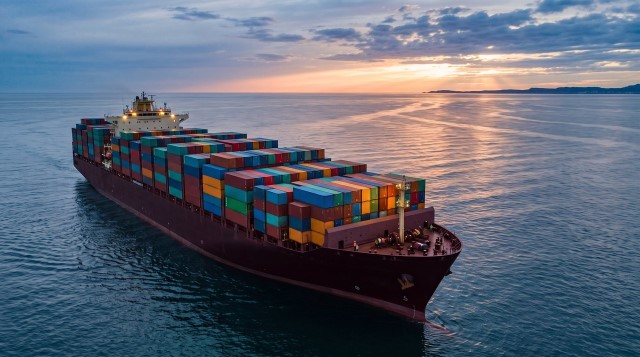
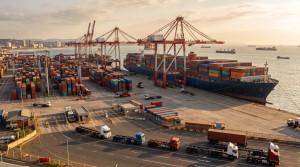
South Africa's eight commercial seaports handled more than 304 million tonnes of cargo in the 2025/26 financial year, the strongest performance in 15 years, with vessel arrivals climbing 9% to 8,630. For SADC freight operators routing cargo through Durban, Ngqura, Cape Town, Port Elizabeth, East London, Mossel Bay, Saldanha and Richards Bay, the figures confirm a clear, measurable turnaround at the region's largest port system.
Ports and Terminals
15 May 2026 • 5 min read
Cargo throughput at Transnet's eight seaports rose 4.2% year-on-year to a 15-year high in 2025/26, while vessel calls jumped 9%, automotive volumes climbed 13.3%, and containers grew 7.1%. The recovery is real — but its capacity to absorb diverted cargo from global trade disruptions remains the next test for SADC importers and exporters.
Transnet National Ports Authority (TNPA) confirmed on 13 May 2026 that the 2025/26 financial year ended with 304 million tonnes of cargo handled across South Africa's commercial port system — the strongest annual throughput since the 2011/12 fiscal year. Vessel arrivals climbed from 7,912 in 2024/25 to 8,630 in 2025/26, a 9% increase that signals a return of carrier confidence after years of operational underperformance, equipment shortages and labour disputes that had punished SADC importers and exporters routing cargo through Durban and the country's other gateways.
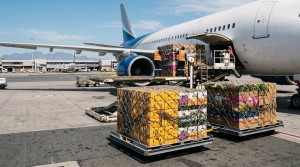
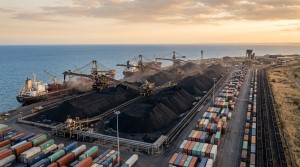
The recovery has been broad rather than narrow. Automotive volumes led the rebound with 13.3% growth as Chinese and Indian vehicle imports surged while South Africa continued shipping built-up units to European buyers. Container volumes climbed 7.1%, outperforming annual budget targets by 3.6% and driven in part by a 22% surge in citrus fruit exports. Bulk and break-bulk lines also lifted as the country's coal, iron ore and manganese exports stabilised.
Headline figure: 304 million tonnes handled across eight seaports in 2025/26 — 4.2% year-on-year growth and the strongest performance since 2011/12. (Source: Transnet National Ports Authority, May 2026)
SADC freight operators have a direct stake in South African port performance. Durban alone handles roughly two-thirds of Southern Africa's containerised import traffic, and disruptions at Pier 1 and Pier 2 ripple through truck queues at Beitbridge, Kasumbalesa, Chirundu and Kazungula for weeks afterwards. A more reliable Durban shortens dwell times for Zambian, Zimbabwean, Mozambican and DRC-bound containers, while a stronger Ngqura transshipment offering provides a credible Cape Route hub for cargo diverted around the Red Sea.
Vessel arrival growth is the deeper signal. Carriers will not deploy capacity into ports they do not trust, and a 9% jump in calls reflects steadier crane productivity, faster pilotage and reduced anchorage waits — the operational fundamentals that determine whether a port keeps or loses transshipment business. For SADC shippers, that is a planning improvement: more reliable berthing windows make landed-cost forecasts more accurate and reduce the need for safety stock built around port volatility.
Transnet's executives have been careful not to oversell the rebound. Diverted cargo from Red Sea reroutes, US-China tariff fallout and Iran-related shipping disruption could quickly absorb the spare capacity created by efficiency gains. The Durban Container Terminal handover to ICTSI, the new Cape Town and Maydon Wharf concessions, the Richards Bay Dry Bulk Terminal private-sector partnership and the Durban Point land reclamation are all designed to lift capacity — but they are years away from full effect.
For now, the operational reality is that South Africa's ports are processing more vessels, more containers and more vehicles than at any time since the early 2010s, while still operating well below long-run design capacity in several lines. That gives SADC shippers a window — narrower than it looks — to lock in slot reliability, rate stability and predictable transit times before the next round of global cargo redirection puts the system back under pressure.
Use the recovery window to renegotiate landed-cost models with shorter dwell-time assumptions, lock in carrier service contracts that reflect improving reliability, and review safety-stock buffers built up during the years of port chaos. The improvement is real — but it is also fragile, and operators that treat every port as either "always working" or "always broken" will miss the planning opportunity in 2026.
Stay connected with Southern Africa's freight and transport community.
Join 6,400+ logistics professionals across the SADC region.
Visit Laaimylorrie.com| About the Author | |

|
Andre Klynsmith Entrepreneur & Technology Enthusiast Andre's expertise spans technology, blockchain, transport, and logistics -- with a passion for innovation and driving positive change across industries. |
| Source: Business Day / Transnet / SAnews View source › | 13 May 2026 |


Subscribe to our Newsletter and stay in the know with all the latest Industry News, Products and Trends covering the whole of the SADC region.
KS Blockchain T/A Laaimylorrie.com . All Rights Reserved.