Industry related headlines to keep you in the know.
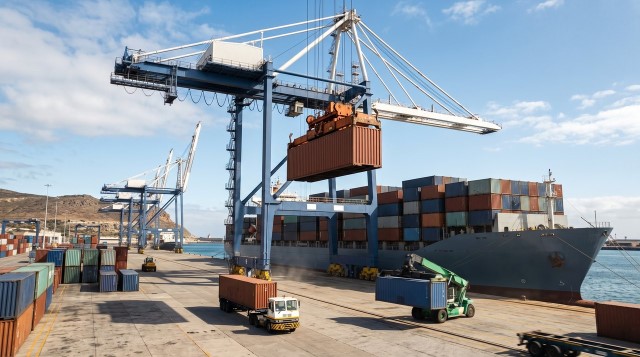
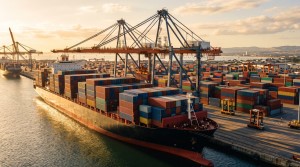
Container throughput at all South African ports rose by 14.2% in the first quarter of 2026, while total cargo handled — excluding vehicles — climbed 16.3% on the previous quarter, marking the most decisive cargo handling recovery Transnet National Ports Authority has reported in three years.
Cargo Handling
12 May 2026 • 4 min read
After years of underperformance, South Africa's port system is finally turning a productivity corner — driven by Pier 2 reform at Durban, a private sector concession push, and structural cargo flows from the Cape route diversion that show no sign of fading in 2026.
Transnet's Q1 2026 update shows container throughput up 14.2% across all South African ports compared with the fourth quarter of 2025, and total cargo (excluding vehicles) up 16.3% over the same period. Both figures represent the strongest performance South African ports have posted since the freight system entered its protracted decline in 2021.
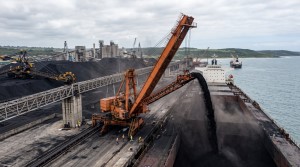
The recovery cuts across the system. Durban's Pier 2 — now under ICTSI's 25-year concession — has begun lifting crane-move productivity from the inherited 18 moves per hour towards a target of 28 to 30. Cape Town's container terminal is reporting outperformance against its forecast plan after R4 billion in upgrades. Richards Bay's coal exports are clawing back lost ground, and Ngqura is being repositioned as a transshipment alternative.
Cargo handling lift: Total non-vehicle cargo through SA ports rose 16.3% quarter-on-quarter in Q1 2026 — the largest increase the system has logged in three years. (Source: Transnet / Ports Regulator quarterly statistics, 2026)
Crane productivity and yard utilisation are not abstract port metrics. Every additional crane move per hour at Durban Pier 2 cuts vessel berth time, which cuts vessel waiting time in the anchorage, which cuts the implied per-day cost that liner carriers price into their southern African schedules.
Independent analysis suggests that the Cape route diversion absorbed a high single-digit percentage of global container capacity at its peak, and the bunker volume gains at Walvis Bay since 2024 have demonstrated how quickly SADC ports can move from spectator to participant in global container flows when handling productivity supports it. The Q1 2026 data confirms that South Africa is finally back in that conversation.
The recovery is uneven. Durban, Cape Town, and Ngqura are doing most of the heavy lifting, while Richards Bay and East London remain more exposed to underlying rail availability. Any rolling backslide on rail performance or labour disruption at the major container terminals could undo the Q1 gains in a single quarter.
Add to that the global overcapacity backdrop — the world container fleet has grown about 27% since 2022 against cargo growth of just over 8% — and South Africa's port system needs to lock in cargo handling productivity now to keep the carriers calling. The next two quarters of Transnet data will tell the real story.
If you scheduled imports around assumed multi-day vessel waiting times in 2024 and 2025, your buffer assumptions are now out of date. Reset transit time and lead-time models for both Durban and Cape Town from Q2 2026 onwards, and re-tender freight forwarder contracts that priced in port congestion premiums.
Stay connected with Southern Africa's freight and transport community.
Join 6,400+ logistics professionals across the SADC region.
Visit Laaimylorrie.com| About the Author | |

|
Andre Klynsmith Entrepreneur & Technology Enthusiast Andre's expertise spans technology, blockchain, transport, and logistics -- with a passion for innovation and driving positive change across industries. |
| Source: SA Trade Desk / Africa Ports & Ships / Transnet View source › | 12 May 2026 |


Subscribe to our Newsletter and stay in the know with all the latest Industry News, Products and Trends covering the whole of the SADC region.
KS Blockchain T/A Laaimylorrie.com . All Rights Reserved.