Industry related headlines to keep you in the know.
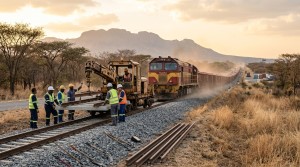
Transnet has signed a €300 million loan agreement with Agence Française de Développement (AFD) to fund its Freight Decarbonisation and Corporate Sustainability Programme. The deal, signed in early May 2026, is the largest dedicated climate-finance facility ever extended to South Africa's logistics sector and ties Transnet's freight cost recovery directly to measurable emissions reduction over the next decade.
Carbon Footprint
11 May 2026 • 5 min read
This is no longer climate goodwill. It is a balance-sheet event for every operator using Transnet's rail, port and pipeline network — because the cost of decarbonisation is now embedded in the cost of moving freight.
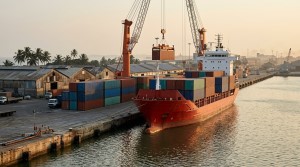
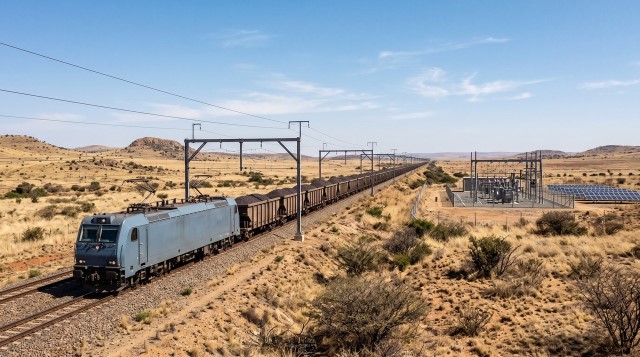
The AFD loan is structured as a sovereign-guaranteed concessional facility with a tenor longer than commercial debt and softer pricing than Transnet's recent bond issuances. Proceeds are ring-fenced for projects in three buckets: rail electrification corridor upgrades on the heavy-haul lines, port energy-transition investments including shore-power and electrified terminal handling equipment, and corporate-level emissions reporting and verification systems aligned with international climate-finance standards.
The deal sits alongside Transnet's earlier €350 million European Investment Bank loan and a French Development Bank co-financing line, taking total European concessional support for South Africa's freight transition above €1 billion. For an operator under intense pressure to fund the wagon, locomotive and port-equipment renewal backlog, concessional capital priced below market is functionally a margin cushion.
The headline target: A measurable reduction in Transnet's operational emissions per tonne-kilometre across rail and port operations by 2030, with quarterly reporting against AFD-agreed milestones beginning in Q3 2026. (Source: Transnet / AFD joint announcement, 2026)
Concessional climate finance does two things in a freight cost structure. It lowers the weighted-average cost of capital on capex-heavy programmes, which means the eventual tariff increases that pay back the investment are smaller in cents-per-tonne terms. And it imposes verification regimes — Scope 1 and Scope 2 emissions reporting at corridor, terminal and customer level — that flow through to every shipper invoice.
For SADC freight operators, that second effect is the more important one. Transnet customers exporting to the European Union will need an audited per-shipment emissions figure to meet Carbon Border Adjustment Mechanism (CBAM) reporting obligations from 2027. A Transnet whose corridor emissions are verified to international standards becomes a competitive advantage for SADC exporters — particularly minerals, agriculture and processed metals heading north out of Durban, Ngqura, Saldanha and Richards Bay.
The AFD deal is the clearest indication yet that European development finance institutions will reward SADC freight infrastructure investments that hit twin objectives — competitiveness plus decarbonisation. Mozambique's Beira corridor authority, Namport, Tanzania Ports Authority and Zambia Railways have all opened similar conversations with EIB, AFD and KfW in recent months. The pricing precedent Transnet just set will frame every one of those negotiations.
For private-sector logistics operators, the practical near-term effect is that emissions reporting capability shifts from a "nice-to-have" to a contracting precondition. Customers who can verify their freight emissions at SKU-and-corridor level will win the EU-bound business, the multinational logistics RFPs and the public-tender opportunities tied to climate-finance disbursement.
Treat emissions data the same way you already treat fuel data — measure it, audit it, attach it to every invoice. Operators planning corridor moves into Europe-bound supply chains should start working with their freight-rail and ocean-carrier partners now to capture corridor-level Scope 3 figures. The window to build that capability cheaply is closing as CBAM reporting tightens in 2027.
Stay connected with Southern Africa's freight and transport community.
Join 6,400+ logistics professionals across the SADC region.
Visit Laaimylorrie.com| About the Author | |

|
Andre Klynsmith Entrepreneur & Technology Enthusiast Andre's expertise spans technology, blockchain, transport, and logistics -- with a passion for innovation and driving positive change across industries. |
| Source: The South Africa Trade Desk / Ecofin Agency View source › | 5 May 2026 |


Subscribe to our Newsletter and stay in the know with all the latest Industry News, Products and Trends covering the whole of the SADC region.
KS Blockchain T/A Laaimylorrie.com . All Rights Reserved.