Industry related headlines to keep you in the know.
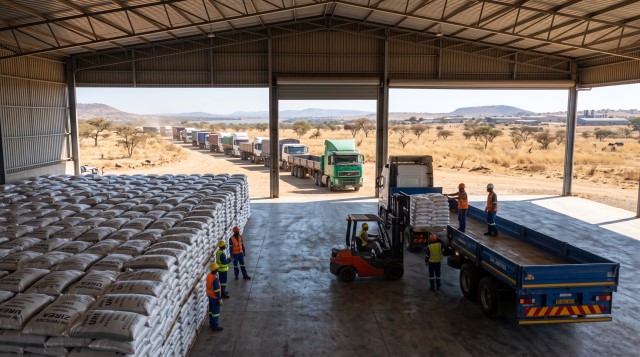
SADC's 2026/27 fertiliser import cycle has started two months earlier than the historical norm, with importers in Zambia, Zimbabwe, Malawi and Mozambique placing forward orders against a still-tight global supply backdrop, lingering Russia-Ukraine logistics distortions, and the lessons of the 2024/25 drought that flattened maize yields across the region.
Supply Chain Management
30 April 2026 • 5 min read
The fertiliser corridor has become one of SADC's most exposed supply chains. After a drought that pushed 87 million people into food insecurity, governments and millers are determined to land urea, ammonium nitrate and potash before the planting window — and that timing pressure is rewriting freight schedules from Beira to Walvis Bay.
SADC maize farmers typically apply basal fertiliser between mid-October and early December, depending on rainfall onset. Working backwards through port handling, inland transport and depot distribution, this means urea and compound fertiliser must clear ports by August at the latest — and ideally by July to provide a meaningful buffer for late-season demand and last-mile distribution to smallholder cooperatives.
In 2026, that buffer is being tightened deliberately. After the 2024/25 El Niño shortage and the resulting humanitarian import surge, governments and grain millers are not willing to risk late deliveries. Farmer Input Support Programmes in Zambia and Malawi, the Pfumvudza/Intwasa programme in Zimbabwe, and Mozambique's Sustenta initiative all started their procurement cycles in February and March — earlier than the typical April–May start observed in non-shock years.
Industry estimate: SADC's annual fertiliser import demand sits at roughly 3.5–4.0 million tonnes, with Zambia, Zimbabwe and Mozambique accounting for the largest single-country flows. (Source: African Fertilizer and Agribusiness Partnership, 2025)
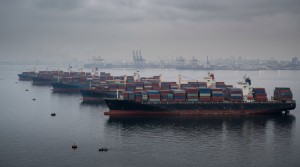
For inland SADC, two ports carry the bulk of the fertiliser load. Beira handles the largest tonnage, drawing on its rail and road links to Zimbabwe's Chiredzi, Harare and Bulawayo, plus the Beira-Tete-Lilongwe corridor into Malawi. Walvis Bay has been gaining share for Zambian and southern DRC volumes via the Trans-Caprivi route, particularly as importers diversify away from Durban congestion.
The challenge for both gateways is that fertiliser is a low-value, high-volume cargo. It cannot absorb premium freight rates, but it cannot wait either. That asymmetry is forcing freight forwarders to lock in vessel calls, port slots and inland trucking capacity months ahead, often using forward contracts and slot-based pricing rather than the spot tendering more common in container freight. Bagged versus bulk decisions are also being made earlier — bulk handling is faster but requires bagging plants near the port, while pre-bagged shipments are slower to discharge but ready for direct truck loading.
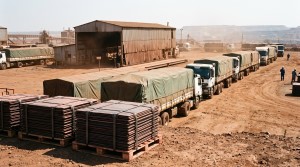
Even with port slots locked in, the inland leg remains the binding constraint. A single 25,000-tonne fertiliser shipment translates into roughly 800 truck movements, and these volumes have to integrate with normal containerised freight, fuel tanker traffic and seasonal grain movement. Operators on the Beira-Harare and Walvis Bay-Lusaka corridors are reporting that fertiliser-related demand starts as early as May and runs through October, overlapping with the worst of the cross-border processing delays at Forbes-Machipanda, Chirundu and Kasumbalesa.
The freight operators capturing the most value are those running scheduled, contracted runs against forward fertiliser orders rather than chasing spot opportunities. Government FISP tenders increasingly require route-specific commitments, supplier-of-record visibility, and integrated port-to-depot pricing — a structural shift that favours operators with established cross-border footprints over single-corridor competitors.
The fertiliser cycle is now a planned-freight category, not an opportunistic one. Operators who pre-position empty trailers near Beira and Walvis Bay, secure long-term port slot agreements, and commit to forward rate cards will outcompete spot-market players this season. Late or unreliable deliveries create direct food security risk — and that risk is now being priced into operator selection.
Stay connected with Southern Africa's freight and transport community.
Join 6,400+ logistics professionals across the SADC region.
Visit Laaimylorrie.com| About the Author | |

|
Andre Klynsmith Entrepreneur & Technology Enthusiast Andre's expertise spans technology, blockchain, transport, and logistics -- with a passion for innovation and driving positive change across industries. |
| Source: African Fertilizer and Agribusiness Partnership — SADC Fertiliser Demand Outlook View source › | 30 April 2026 |


Subscribe to our Newsletter and stay in the know with all the latest Industry News, Products and Trends covering the whole of the SADC region.
KS Blockchain T/A Laaimylorrie.com . All Rights Reserved.