Industry related headlines to keep you in the know.
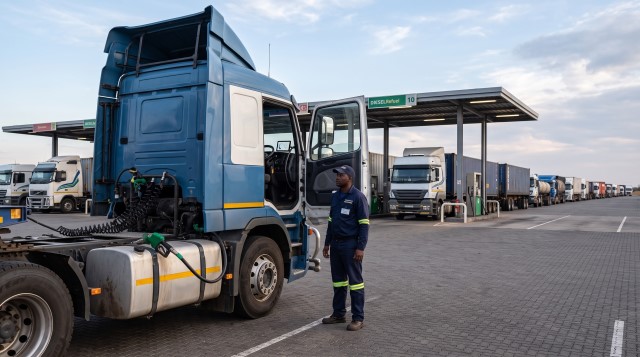
Fuel theft is now costing South African road freight operators an estimated several billion rand a year through siphoning, pilferage and falsified receipts — and a new wave of integrated tank-level sensors, GPS-anchored fuel events and AI anomaly detection is turning fuel management into one of 2026's highest-return fleet investments.
FLEET MANAGEMENT
29 April 2026 • 5 min read
With diesel above R25 a litre on long-haul routes and fuel making up 38-45% of cost-per-kilometre, every litre lost to siphoning or falsified refuels is a direct hit to the contribution margin. Smart fuel-tank sensors, paired with telematics-anchored refuel events and AI exception flags, are now closing the gap.
South African and SADC fleet operators have always lost fuel to theft and waste, but the cost of those losses has changed. With fuel share of operating cost now sitting in the 38-45% band on long-haul work, even a 2-3% loss rate translates directly into mid-single-digit margin impact. For a 50-truck fleet running an average of 12,000 km a month per unit at 2.6 km/litre, every 1% of fuel loss equates to roughly 230,000 litres a year — or approximately R5.8 million at current prices.
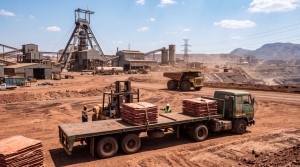
The most common loss patterns remain siphoning at depot or overnight stops, in-cab manipulation of fuel cards, falsified pump receipts, and slow leaks that go undetected because driver-reported consumption looks plausible. Mining and remote-area fleets are particularly exposed: long routes, fewer eyes on the asset, and fuel pricing differentials that make stolen diesel readily marketable.
2026 fuel-loss cost lever for SADC fleets: Fuel = 38-45% of cost-per-km on long-haul; for a 50-truck fleet, every 1% of fuel loss ≈ 230,000 litres/year ≈ R5.8M at R25/litre. Tank-level sensors typically pay back inside 6-9 months on fleets above 30 vehicles. (Source: industry estimates; DigitFMS / Uffizio Telematics market data, 2026)
The current generation of fuel management combines several previously separate inputs into a single fleet view. Capacitive tank-level sensors give continuous fuel volume readings rather than relying on float gauges. Refuel events are validated by GPS location and time stamp, so a litre claimed at a known truck stop can be confirmed against geofence data. Sudden drops outside known refuel windows trigger automated alerts, with thresholds tuned to avoid false positives from steep gradients or harsh manoeuvres.
AI now sits on top of the raw data. Modern systems learn each vehicle's normal consumption profile by route, payload and driver — flagging deviations the moment they occur rather than at month-end review. Pairing fuel data with telematics behaviour data (idling, harsh braking, over-rev events) gives a defensible coaching dataset that turns fuel management into a driver-development conversation, not just a security exercise.
Rolling out fuel management properly is more than a hardware decision. SADC operators that have moved successfully tend to follow a four-step path: install tank sensors and pair with the existing telematics platform; run a 60-90 day baseline to establish per-vehicle, per-driver consumption profiles; tune alert thresholds and define escalation routes (driver, controller, HR, security); then layer in fuel-card geofencing, in-cab feedback and structured driver coaching.
For cross-border SADC fleets, fuel management has an additional dimension: arbitraging legitimate price differentials between Botswana, South Africa, Namibia and Mozambique. With Zimbabwe now SADC's second most expensive fuel market and Malawi the most expensive, deliberate refuel planning — supported by reliable tank-level data — becomes a margin lever in its own right.
In a 2026 cost environment where diesel sets the margin, fuel management has moved from a security topic to a survival topic. Tank sensors, GPS-anchored refuels and AI exception flags are now mature, affordable and integration-friendly. SADC operators that pair the technology with disciplined alert-handling and driver coaching will see fuel-loss rates drop materially within a single quarter — and protect contribution margin in a year that gives no other relief.
Stay connected with Southern Africa's freight and transport community.
Join 6,400+ logistics professionals across the SADC region.
Visit Laaimylorrie.com| About the Author | |

|
Andre Klynsmith Entrepreneur & Technology Enthusiast Andre's expertise spans technology, blockchain, transport, and logistics -- with a passion for innovation and driving positive change across industries. |
| Source: DigitFMS / Uffizio Telematics / industry estimates View source › | 29 April 2026 |


Subscribe to our Newsletter and stay in the know with all the latest Industry News, Products and Trends covering the whole of the SADC region.
KS Blockchain T/A Laaimylorrie.com . All Rights Reserved.