Industry related headlines to keep you in the know.
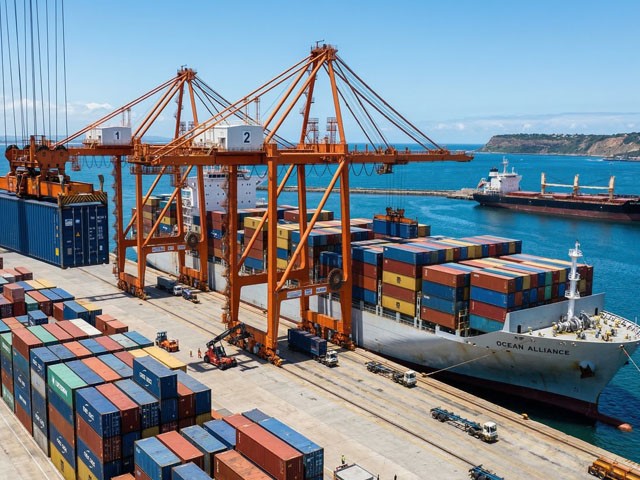
China will eliminate tariffs on imports from 53 African countries starting 1 May 2026, extending zero-tariff access across 100% of product tariff lines — a policy shift that analysts estimate could unlock over USD 1.4 billion in new African export value and materially change the freight flows flowing through SADC's ports and logistics corridors.
Shipping and Logistics
15 March 2026 • 5 min read
The May 2026 tariff elimination covers all 53 African trading partners — with only Eswatini excluded due to its Taiwan relationship — and includes a "green lane" priority customs channel to speed up clearance of African exports. For SADC logistics operators, the policy creates both new export-side cargo opportunities and fresh pressure to address the non-tariff barriers that have historically capped the region's export performance.
China's decision expands a preferential tariff regime previously applied to 33 African nations, bringing all 53 active AU member states with bilateral trade relations with China into full zero-tariff access. The policy covers 100% of tariff lines — meaning there will be no product categories where African exporters continue to face Chinese import duties. China has also committed to establishing a "green channel" that expedites customs and quarantine procedures for qualifying African shipments, directly reducing border clearance times for high-volume exports.
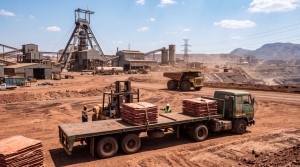
The SADC countries that stand to gain most immediately are those with established commodity export streams to China — Zambia (copper and cobalt), Zimbabwe (chrome and platinum group metals), South Africa (iron ore, chrome, manganese, citrus), Mozambique (coal, natural gas), Namibia (uranium, diamonds) and Angola (crude oil, diamonds). Where tariffs were previously reducing the competitiveness of these exports against competing suppliers in other regions, the elimination of those duties directly improves the margin available to African exporters and, by extension, increases the commercial viability of higher-volume shipments.
Trade deficit context: Africa's trade deficit with China reached USD 102 billion in 2025. The zero-tariff policy is designed to rebalance the relationship — the estimated USD 1.4 billion in lost Chinese customs revenue is seen as an acceptable cost for deepening strategic ties across the continent. (Source: Ecofin Agency / Brookings, 2026)
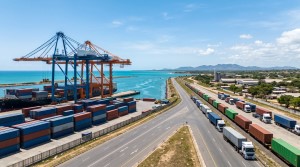
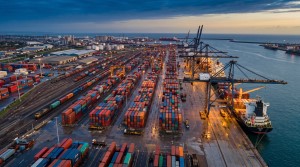
The policy is a trade stimulus. But trade stimulus without logistics capacity is a partially solved problem. If SADC commodity exporters increase volumes in response to the improved economics, the additional cargo will need to move through the region's existing port and road infrastructure. The corridors already under pressure — Walvis Bay to the Copperbelt, Durban to Gauteng and Zimbabwe, and the Beira and Nacala corridors serving landlocked Zambia and Malawi — will be the first to absorb any volume increase. Freight forwarders, port agents, and road hauliers operating on these routes should begin capacity planning now, before the May trigger date.
There is also an agro-processing opportunity embedded in the policy. UNCTAD and Brookings researchers have both noted that the current China-Africa trade relationship is dominated by raw commodity exports — minerals, crude oil, timber. Zero-tariff access creates a stronger case for African producers to process commodities locally before export: copper cathode rather than concentrate, refined citrus products rather than fresh fruit, processed timber rather than raw logs. Each step up the value chain increases the weight and volume of exports and therefore the logistics revenue attached to the shipment.
Analysts are cautious about overstating the impact. Studies of previous preferential tariff regimes granted to Africa have found that uptake was limited by non-tariff barriers that logistics operators know well: product certification and standards compliance requirements, phytosanitary inspections, cumbersome customs documentation, insufficient cold chain infrastructure for perishables, and long dwell times at SADC ports that delay shipments beyond the "green lane" benefit. Eliminating import duties is necessary but not sufficient to unlock a step-change in African exports to China.
For the logistics sector, this means the competitive advantage will lie with operators who can demonstrate compliance-ready documentation processes, fast port turnaround, and reliable cold chain capacity for temperature-sensitive goods such as fresh produce, seafood, and pharmaceutical exports. Those who can offer a full-service export package — consolidation, documentation, inspection scheduling, and assured delivery to Chinese import ports — will be positioned to capture the commercial upside that the May 2026 policy creates.
China's zero-tariff policy from May 2026 will stimulate African export volumes — creating increased freight demand on SADC's export corridors and at Walvis Bay, Durban, Beira, and Maputo. Freight forwarders, port agents, and road hauliers should begin corridor capacity reviews now. Operators who can offer compliance-ready export documentation and cold chain services will be best placed to win new business as exporters move to take advantage of improved China access.
Stay connected with Southern Africa's freight and transport community.
Join 6,400+ logistics professionals across the SADC region.
Visit Laaimylorrie.com| About the Author | |

|
Andre Klynsmith Entrepreneur & Technology Enthusiast Andre's expertise spans technology, blockchain, transport, and logistics — with a passion for innovation and driving positive change across industries. |
| Source: Ecofin Agency / Brookings Institution View source › | 15 March 2026 |


Subscribe to our Newsletter and stay in the know with all the latest Industry News, Products and Trends covering the whole of the SADC region.
KS Blockchain T/A Laaimylorrie.com . All Rights Reserved.