Industry related headlines to keep you in the know.
A proposed 110-kilometre rail corridor between Botswana's mineral-rich northwest and South Africa's network at Lephalale in Limpopo could unlock billions in commodity exports — and represents one of the most practical near-term infrastructure opportunities in the SADC region. The corridor was a key talking point at the Mining X Logistics 2026 forum, where industry leaders stressed that without functional rail access, Africa's mineral wealth remains stranded.
Mining and Commodities
13 March 2026 • 4 min read
Some mines in Botswana could triple or even quintuple their export volumes with sufficient logistics access. A short rail link to South Africa's network could be the catalyst — but only if both governments move fast enough.
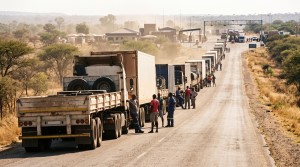
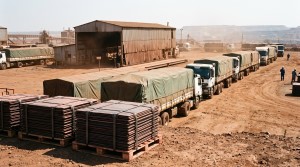
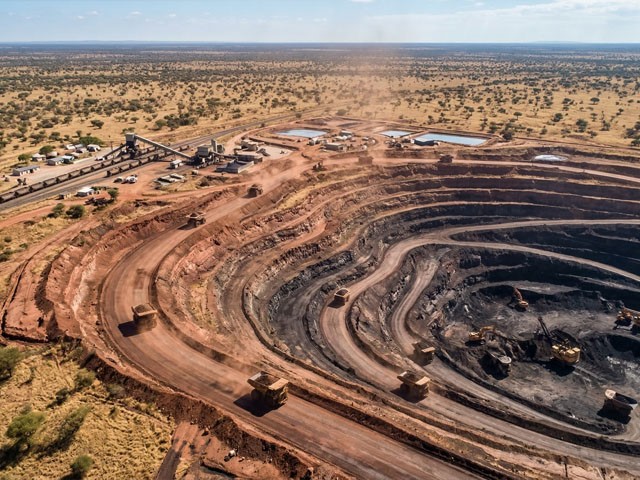
Botswana sits on substantial deposits of coal, copper, nickel, and soda ash in its western and northern regions. But the country's rail infrastructure was designed primarily for the north-south diamond and beef corridors, leaving mining operations in the northwest heavily reliant on road freight to reach export markets. The result: high per-tonne transport costs, damaged roads, and export volumes that remain a fraction of what the geology could support.
The proposed Botswana-Lephalale corridor would connect these stranded deposits to South Africa's rail network, opening a direct route to the ports of Richards Bay, Durban, and potentially Maputo. At approximately 110 kilometres, the engineering requirements are considered relatively straightforward — making this one of the most cost-effective cross-border rail investments currently on the table in Southern Africa.
Export potential: Industry speakers at Mining X Logistics 2026 noted some Botswana mines could multiply export volumes 3x to 5x with adequate rail access. (Source: Railways Africa, 2026)
The Botswana corridor proposal comes against the backdrop of a broader mining logistics crisis across Southern Africa. At Mining Indaba 2026 in Cape Town, coal, iron ore, and manganese producers presented data showing billions of rands in lost export revenue due to Transnet's operational failures. Derailments, cable theft, and locomotive shortages have forced many miners to truck bulk commodities to port — a far more expensive option that degrades road infrastructure and increases carbon emissions.
The Minerals Council South Africa has been unequivocal: without functional rail, reliable power, and transparent governance, the region's mineral leverage will remain theoretical. Several major producers confirmed at Indaba that they are in advanced stages of procuring their own rolling stock to run on Transnet's tracks — a stop-gap measure that underscores the urgency of systemic reform.
In parallel, the Trans-Kalahari Railway feasibility study — a far larger project spanning 1,500 kilometres between Botswana's Mmamabula coal fields and the port of Walvis Bay in Namibia — was targeted for completion by March 2026. Twelve companies have expressed interest in funding and developing the corridor, which would give landlocked Botswana, Zimbabwe, and Zambia direct access to an Atlantic port.
Together, the Lephalale link and the Trans-Kalahari Railway represent two complementary routes that could transform how Botswana's minerals reach global markets — one via South Africa's Indian Ocean ports, the other via Namibia's Atlantic coast. For a region that has long talked about corridor development, 2026 may be the year concrete decisions are finally made.
New rail corridors linking Botswana's mines to South African and Namibian ports would shift significant tonnage off roads and onto rail — changing the competitive dynamics for trucking operators on those routes. If the Lephalale corridor materialises, expect increased demand for last-mile road freight between mines and railheads, intermodal container services, and cross-border logistics coordination. Operators positioned in the Limpopo-Botswana border zone should be tracking these developments closely.
Stay connected with Southern Africa's freight and transport community.
Join 6,400+ logistics professionals across the SADC region.
Visit Laaimylorrie.com| About the Author | |

|
Andre Klynsmith Entrepreneur & Technology Enthusiast Andre's expertise spans technology, blockchain, transport, and logistics — with a passion for innovation and driving positive change across industries. |
| Source: Railways Africa / Bizcommunity View source › | 13 March 2026 |


Subscribe to our Newsletter and stay in the know with all the latest Industry News, Products and Trends covering the whole of the SADC region.
KS Blockchain T/A Laaimylorrie.com . All Rights Reserved.