Industry related headlines to keep you in the know.
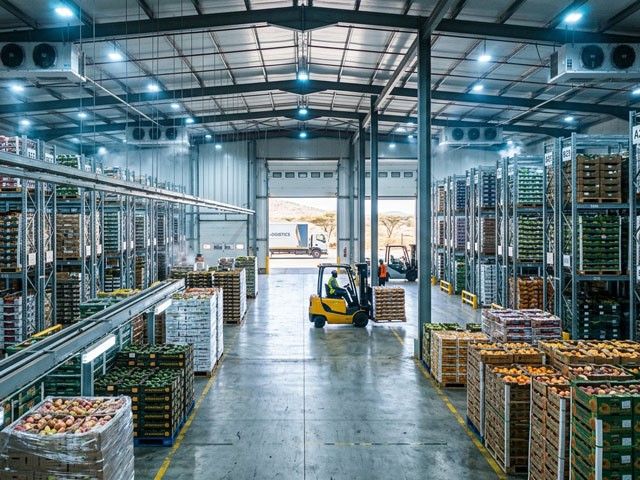
Africa's cold chain logistics market is valued at US$15 billion in 2026 and growing — but the infrastructure gap across SADC countries remains severe, with most perishable cargo still moving without adequate temperature control, leading to spoilage rates that cost the region billions every year.
Warehousing and Storage
11 March 2026 • 4 min read
Regulatory tightening, the African Continental Free Trade Area (AfCFTA), and rising urbanisation across SADC are accelerating demand for cold storage infrastructure in 2026. For logistics operators, this is not just a market trend — it is an urgent operational requirement that is reshaping how perishable goods, pharmaceuticals, and agricultural produce move across Southern Africa.
Africa loses an estimated 40–50% of fresh produce post-harvest — a figure significantly higher than the global average of around 14%. In the SADC region specifically, inadequate cold chain infrastructure is a leading contributor to food insecurity, foreign exchange losses on agricultural exports, and elevated pharmaceutical wastage. The World Health Organisation estimates that up to 25% of vaccines are damaged before reaching patients in developing regions, often due to cold chain failures.
Despite this, investment in dedicated cold storage warehousing across Southern Africa has historically lagged behind road and port infrastructure. Most existing cold store capacity is concentrated in major metropolitan centres — Johannesburg, Cape Town, Durban, and Lusaka — leaving rural producers and cross-border shippers with limited access to compliant temperature-controlled facilities.
Market size: Africa's cold chain logistics market was valued at US$15.03 billion in 2026, growing at 4.02% CAGR to reach US$18.29 billion by 2031 — with SADC countries representing the largest share of volume growth. (Source: Mordor Intelligence, 2026)
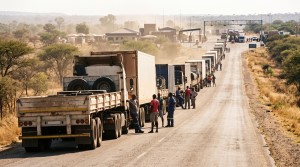
The African Continental Free Trade Area has opened new intra-African trade corridors that are increasing the movement of high-value perishables — fresh fruit, vegetables, dairy, seafood, and pharmaceuticals — across SADC borders. As tariff barriers reduce, the bottleneck for trade in these goods has shifted to cold chain logistics: border posts without refrigerated storage, trucks without reefer capacity, and warehouses not equipped to maintain product integrity during handover.
Solar-powered micro cold rooms and IoT-enabled temperature monitoring units are emerging as practical solutions for SADC operators working in areas with unreliable grid power. Several initiatives in Zambia, Zimbabwe, and Mozambique are piloting these technologies at border crossing points and rural distribution hubs, reducing spoilage by 20–35% in early field deployments.
Global food safety standards are tightening in 2026. While South Africa's export markets in the EU and UK are the most affected, the regulatory ripple effect extends to all operators in the SADC cold chain. New requirements focus on electronic temperature traceability, structured digital records of critical control events, and provable thermal compliance throughout the supply chain — from origin cold room through to final delivery.
For exporters of South African citrus, table grapes, stone fruit, and avocados — all major earners of foreign exchange for the SADC region — failure to comply with thermal traceability requirements risks loss of market access to premium Northern Hemisphere buyers. This is driving urgent investment in warehouse management systems, reefer container tracking, and cold store compliance auditing across the logistics chain.
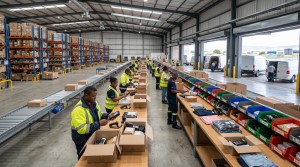
Warehousing and transport operators who invest in cold chain capability now are positioning themselves for sustained growth as AfCFTA volumes increase and export compliance requirements tighten. This is not a niche — cold chain logistics is one of the fastest-growing freight segments in the SADC region. Operators who can offer compliant, digitally tracked temperature-controlled storage and reefer transport will command premium rates and access high-value agricultural and pharmaceutical cargo flows.
Stay connected with Southern Africa's freight and transport community.
Join 6,400+ logistics professionals across the SADC region.
Visit Laaimylorrie.com| About the Author | |

|
Andre Klynsmith Entrepreneur & Technology Enthusiast Andre's expertise spans technology, blockchain, transport, and logistics — with a passion for innovation and driving positive change across industries. |
| Source: Mordor Intelligence View source › | 11 March 2026 |


Subscribe to our Newsletter and stay in the know with all the latest Industry News, Products and Trends covering the whole of the SADC region.
KS Blockchain T/A Laaimylorrie.com . All Rights Reserved.