Industry related headlines to keep you in the know.
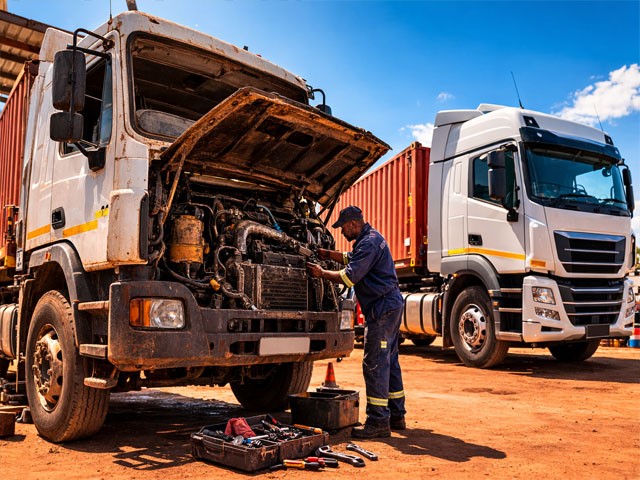
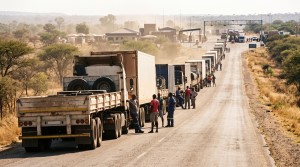
A new 2026 global fleet benchmark report, analysing more than 1.2 million vehicles and USD 7 billion in service spend, confirms what many SADC fleet managers already suspect: ageing vehicles and weak asset planning are among the biggest causes of preventable downtime. For operators moving freight across southern Africa, the replace-versus-repair decision has become a direct profitability issue.
Asset Management
11 March 2026 • 4 min read
A new 2026 global fleet benchmark report, analysing more than 1.2 million vehicles and USD 7 billion in service spend, confirms what many SADC fleet managers already suspect: ageing vehicles and weak asset planning are among the biggest causes of preventable downtime. For operators moving freight across southern Africa, the replace-versus-repair decision has become a direct profitability issue.
Fleet operators across the SADC region face the same difficult question year after year: do you continue maintaining an older truck that still produces revenue, or do you replace it with a newer vehicle that introduces fresh finance commitments from day one? In many businesses, replacement is delayed for too long. What appears to be a saving on capital expenditure slowly becomes a heavier burden in repairs, downtime, parts costs, and fuel inefficiency.
Fuel remains one of the biggest fleet operating costs. As trucks age, engine performance drops, fuel consumption rises, and reliability becomes less predictable. On long SADC routes between Namibia, South Africa, Zambia, Botswana, and Zimbabwe, even a modest drop in fuel efficiency can quickly erode margins across an entire fleet.
2026 Fleet Benchmark: Analysis of 1.2 million vehicles and USD 7 billion in service spend found that asset age and workflow inefficiencies are major contributors to fleet downtime. (Source: Fleetio 2026 Fleet Benchmark Report)
The real cost of a truck is never just the purchase price. Total cost of ownership includes acquisition, fuel, servicing, tyres, breakdowns, insurance, downtime, compliance costs, and eventual resale or disposal value. For heavy commercial vehicles, replacement planning in mature markets often happens within a 5- to 7-year cycle. In southern Africa, the picture is more complex.
Longer routes, rougher roads, border delays, parts supply challenges, and exchange-rate pressure on imported components all place more strain on commercial fleets. As a result, many operators in the region keep trucks in service for 8 to 12 years, sometimes longer. That may be understandable, but the consequences can be significant: higher maintenance costs, increased roadworthiness risk, greater driver safety exposure, and reduced credibility when tendering for serious freight contracts.
Better asset decisions do not always require expensive enterprise systems. Even smaller operators can build a basic lifecycle review process around a few key indicators. Each vehicle should be tracked against annual maintenance spend, average downtime per month, and fuel consumption per 100 kilometres compared with a newer equivalent in the same operating category.
Once maintenance costs begin taking up a substantial share of the vehicle’s current value, replacement often becomes financially smarter than continued repair. The same applies when downtime starts affecting delivery reliability, customer confidence, and driver productivity. What looks manageable in the workshop ledger can become a much larger commercial risk once missed loads and delayed contracts are factored in.
Larger operators may use telematics and fleet management platforms to monitor these numbers automatically. Smaller fleets can still gain valuable insight with something as simple as a monthly spreadsheet that records maintenance spend, fuel use, and breakdown frequency per vehicle. Over time, the weak assets become very easy to identify.
In transport and logistics, reliability is a competitive advantage. Customers want consistent performance, fewer disruptions, and confidence that loads will move on schedule. A fleet that is managed with clear lifecycle planning is better positioned to deliver that consistency than one that waits for vehicles to fail before making decisions.
For SADC operators, the goal is not to replace every truck early. The goal is to know exactly when a vehicle has moved beyond its most profitable working life. Operators who review their fleets annually, plan phased replacements, and measure true ownership cost are far more likely to protect margins, improve uptime, and stay competitive in a demanding freight market.
Running older trucks may seem like cost control, but the real cost often hides in downtime, rising fuel consumption, repeated repairs, and lost contract confidence. Transport operators across Namibia and the wider SADC region should conduct a structured asset review at least once a year and identify which vehicles are still commercially efficient and which are no longer serving the business. Better lifecycle planning leads directly to stronger fleet reliability and better long-term margins.
Stay connected with Southern Africa’s freight and transport community.
Join logistics professionals across the SADC region on Laaimylorrie.
Visit Laaimylorrie.comAndre Klynsmith is a dynamic entrepreneur and technology enthusiast with a strong passion for innovation and its power to reshape industries. His work spans technology, transport, logistics, and digital growth, where he focuses on building practical platforms, stronger market visibility, and smarter systems for business.

|
Written by Andre Klynsmith Contact: info@laaimylorrie.com Website: Laaimylorrie.com |
| Source: Fleetio 2026 Fleet Benchmark Report - Click Here >>> | March 11, 2026 |


Subscribe to our Newsletter and stay in the know with all the latest Industry News, Products and Trends covering the whole of the SADC region.
KS Blockchain T/A Laaimylorrie.com . All Rights Reserved.